The survival rate of child cancer consolidates to an 83.9 percent, according to a report by RETI-SEHOP
The Villavecchia Foundation emphasizes the importance of this data, which is the result of a maintained registry containing a vast history.
The Registro Español de Tumores Infantiles (Spanish Registry of Infant Tumors) (RETI-SHOP) has made their latest statistics report of survivability (1980-2025) public. As a collaborative entity historically committed to continuing this system of surveillance since 1997, the Villavecchia Foundation celebrated the solid and rigorous quality of this new data collection, which reaffirm the high level of onco-hematology pediatric care in our country.
The report collects the analysis of more than 35,000 registered cases in the last half century and tracks a progressive growth of an exhausting amount of registration in hospitals, which in the most recent period (2023-2025) situates itself at a 95.4% in the State, additionally acting as a population registry.
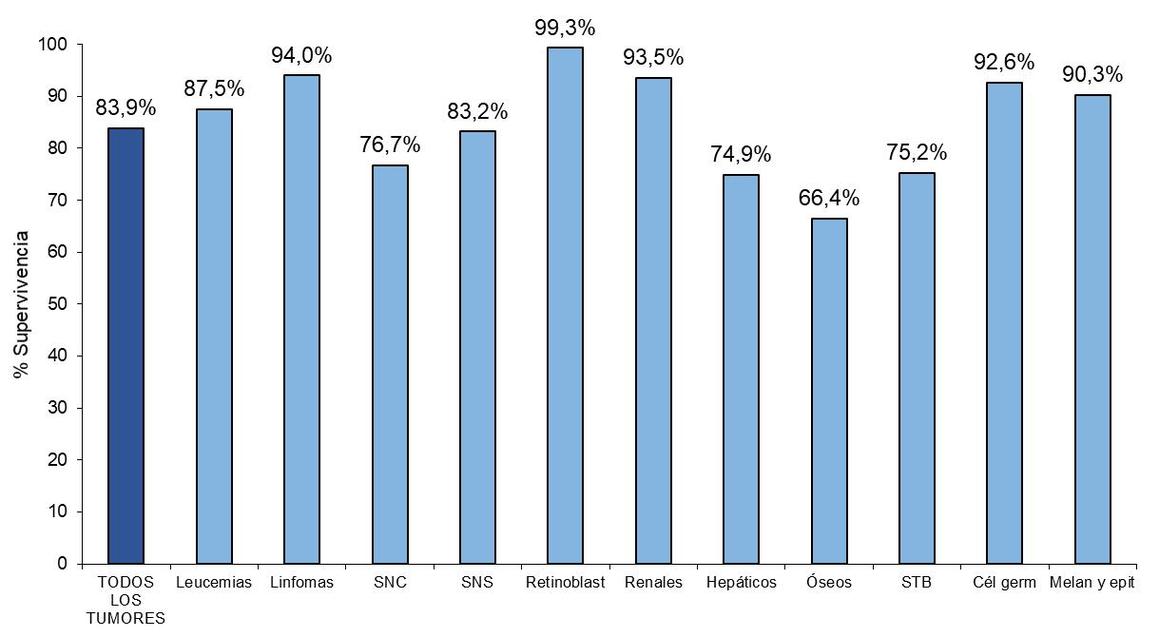
The data on survival five years since diagnosis for the most recently completely analyzed cohort (2015-2019) situated the general medium of survival rate from infantile tumors (0-14 years old) at a hopeful 83.9%
However, this medium varies significantly according the type of tumor, emphasizing the importance of specific research:
- Retinoblastoma: Continues to be the child cancer with the better prognosis, acquiring a survival rate of 99.3%
- Leukemias: The most frequent type of child cancer, has a survival rate that keeps improving thanks to treatment, situating itself at an 87.5% (and a 90.3% specifically in acute lymphoblastic leukemia.
- Lymphomas: Presenting good results, with a 94.0% survival rate.
- Central Nervous System Tumors: Finds itself at a 76.7% (including malignant and benign types), descending to a 64.3% if exclusively analyzing cases categorized as malignant.
- Bone tumors: Kept as the illness with the least percentage of survival, registered at 66.4%, which reminds us of the urgent necessity in continuing to support resources and research in this field.
Another highlighted point of the document is the predicted evolution of confirmed cases expected in Spain. Although the amount of annual confirmed cases has descended in the last decade (going from more than 1,100 in 2015 to less than 1,000 in 2025), the RETI-SEHOP report makes it clear that this is not due to illness occurring less frequently. The real motive behind this descent is the decrease in Spanish child population due to the decrease of birth rates since 2010. The expected cases remain stable, coming in at a medium of 157,4 cases per every million children (according to the world standard ASRw).
From the Villavecchia Foundation, alongside the Anita Association (with which we make the maintenance of RETI-SHOP possible) we reaffirm our promise with this registry, pushing public and private institutions to keep financially supporting this endeavor, in order to ensure an informative system of quality, equity, and transparency to service public health and families.
► Access the complete report here.
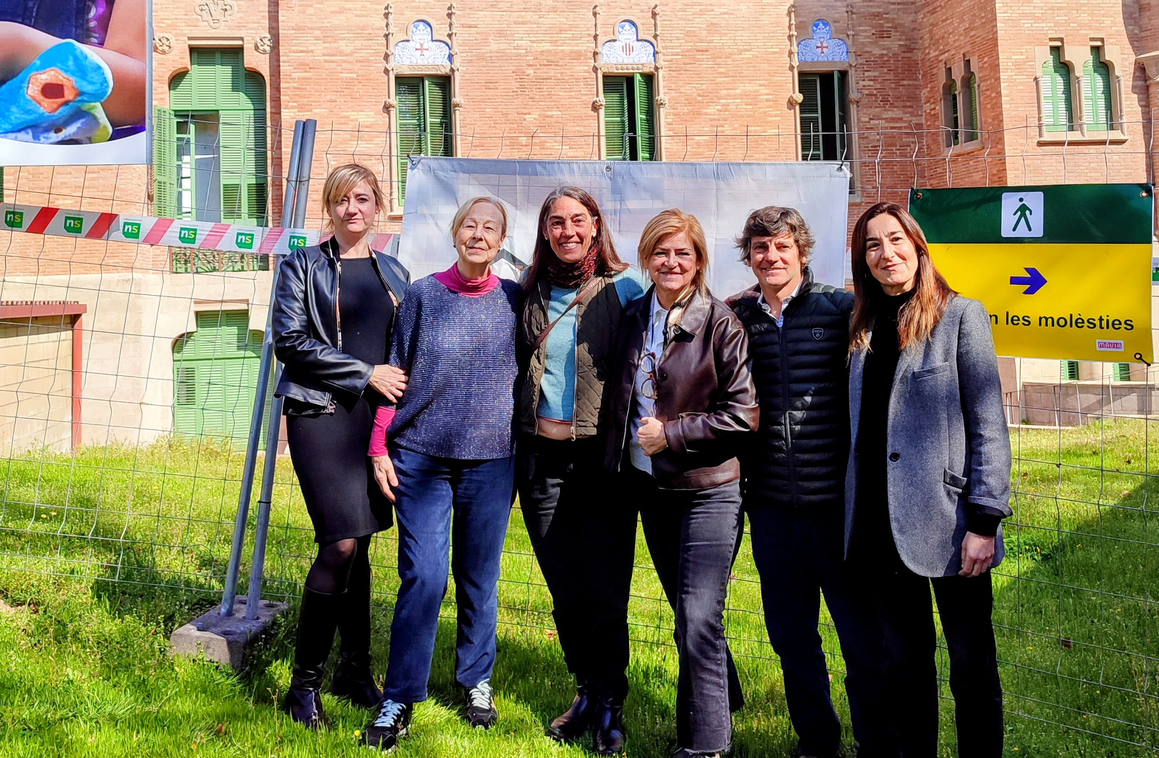 Representatives of the Villavecchia Foundation and Anita Association