
86,500 overnight stays have been offered to patients and displaced family members by the attending host organizations in 2025.
The number of applications that have not been able to be processed grows: 40% more than in 2024.
The organizations alongside ours who offer housing to patients and their respective family members that need to relocate to Barcelona to receive treatment have supplied overnight stays to 1,071 families during the year 2025, 73 more families than in 2024, and 226 more families than in 2023.
However, 259 housing solicitations, a 40% increase from 2024, have not been able to be catered to due to lack of housing resources, which has left many families without an adequate living alternative while their loved ones go through critical times. We explained this pressing issue in a breakfast reception to the press in a celebration in Barcelona’s Hub Social.
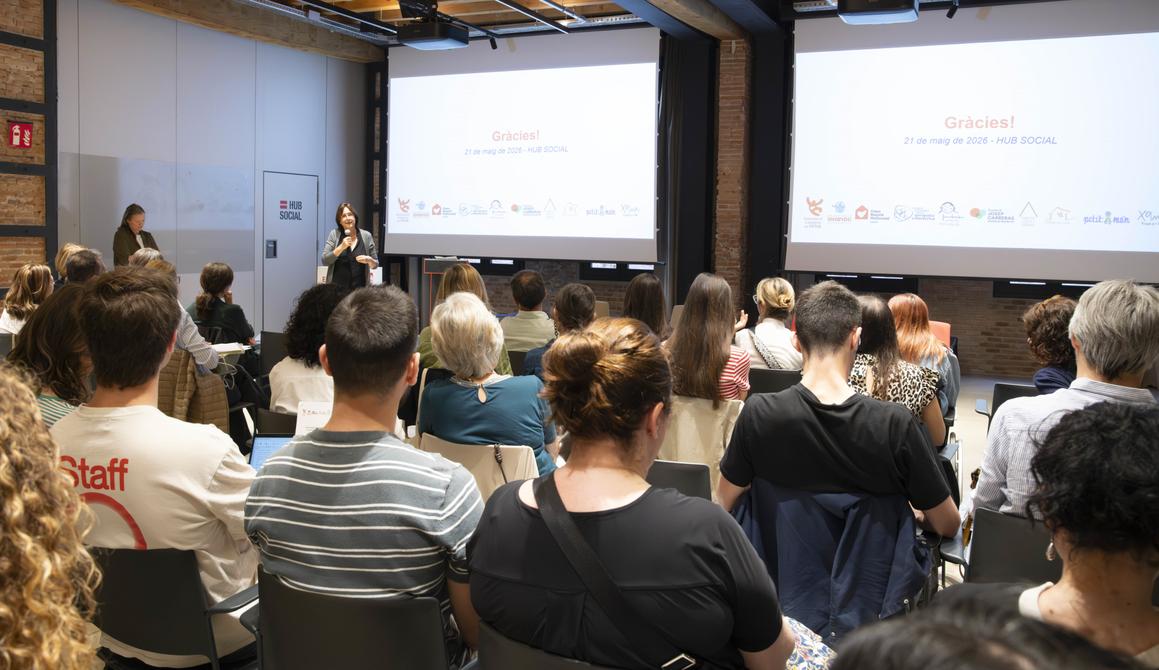 "Grupo de Entidades" press conference
The lack of accommodative housing adds even more stress to these families, who are often looking for a place to live, a heavy cost that is not feasible, taking into account the financial toll on families accumulated by the entering and exiting of hospitals.
The Fundación Villavecchia offers 7 floors of accommodative housing close to the primary hospitals. In 2025, we supplied overnight stays to 39 families of children undergoing treatment (112 beneficiaries), and covered the basic living costs: electricity, water, gas, maintenance, and housekeeping.
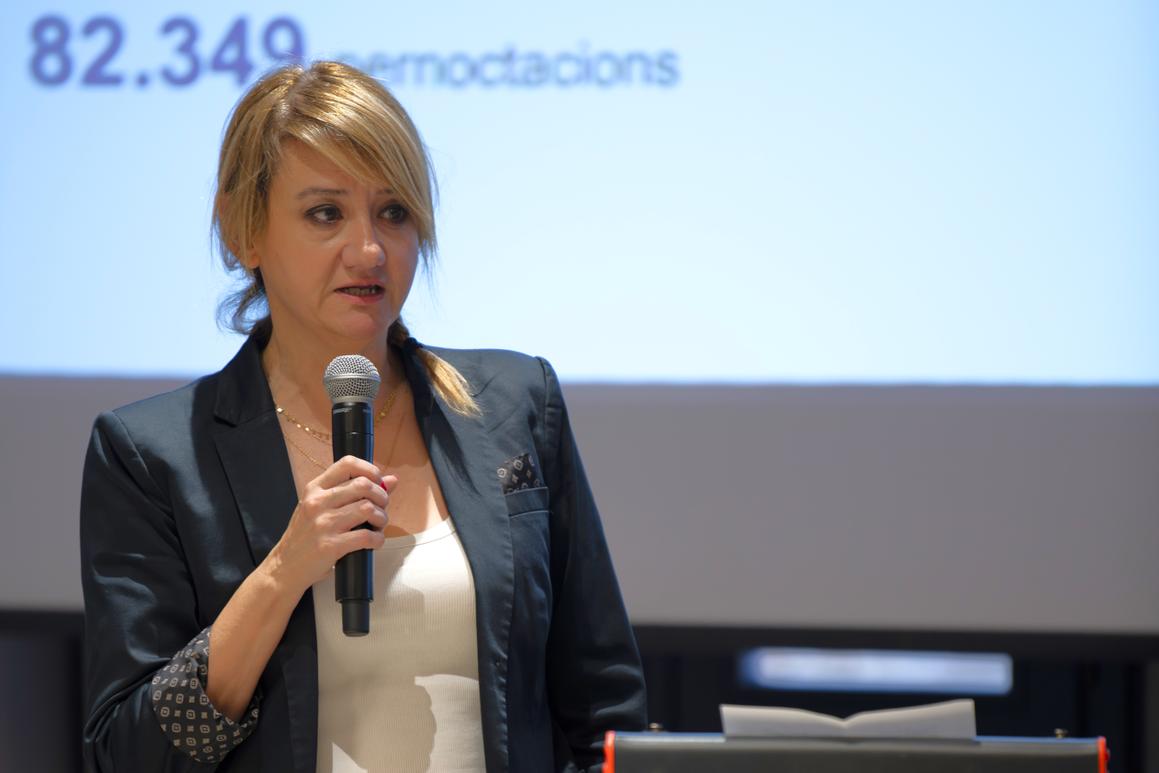
The average stay in the floor’s housing is 33 days.
The duration of the accommodative housing offered varies by treatment and care programs and fluctuates between 1 or 2 days in cases of diagnostic tests to various months or a year in the case of transplants. The average stay in the floor’s housing is 33 days.
As to the type of housing, out of the 1,071 displaced families accommodated, 906 were housed using the sponsoring companies’ own resources, while the rest were housed in hostels, and thanks to this collaboration, were allowed lodging practically free of charge. This care and these resources have been fundamental in preventing more families from going without housing in an economic context where the price of a hotel room in Barcelona is 190€ per night* (*in 2025, according to data from the Guild of Hotels of Barcelona).
Without the support of the reception attendees, many families will be forced to look for precarious housing alternatives or go into debt in efforts to accompany their loved ones in moments of great vulnerability.
A total of 55 overnight stays and 156 rooms available.
Currently, our housing organizations supply 55 units and 156 rooms in the metropolitan area of Barcelona, where a comfortable and accommodative environment is guaranteed, catering to the needs of the displaced families, not only from Cataluña, but the Spanish State and the whole world.
The positive impact of this social initiative is undeniable; the recovery of a patient is more effective when their family can be present in adequate conditions, and even more so when said patients are youth with grave illnesses. The contributing host organizations aim to strengthen essential resources and guarantee that no family has to choose between being with their loved one or financial stability.
Accessible housing: a need in wake of medical and social progress.
We exist in a societal context in which science advances more than social environments, and the respective areas of hospitals’ social work remains a point of contention with the accommodating housing organizations and their response to the strong demand of housing requests from families of displaced patients. The hospitals with the most housing solicitations are Hospital Vall d’Hebron, Hospital Clinic de Barcelona, and the Hospital de Sant Pau.
Barcelona is consolidated as a hub of scientific innovation, with outstanding medicinal advances that prioritizes the patient. An example of this evolution are domestic treatments, like the immunotherapy CAR-T, which allows patients to recover in the comfort of their homes, avoiding prolonged hospital fees.
However, this future trend introduces challenges: the increase of transplants and domestic treatments, the raised cost of living in Barcelona, the inability to rent floors for housing during uncertain periods, and a growing social precariousness which makes accommodative housing more necessary than ever.